
RIVERS are the blood vessels of the earth and in consequence clogged arteries tend to have severe negative (environmental) impacts. There are various reasons why vessels get blocked and not suprisingly the main reasons could be avoided, if humans sticked to a healthier lifestyle.
Generally, arteries don’t get clogged over night. On contrast, its the upheld ignorance of recommended limits and bioindicators. Over time, the accumulation of too many hindering aspects leads to a blockade of this VITAL SYSTEM.
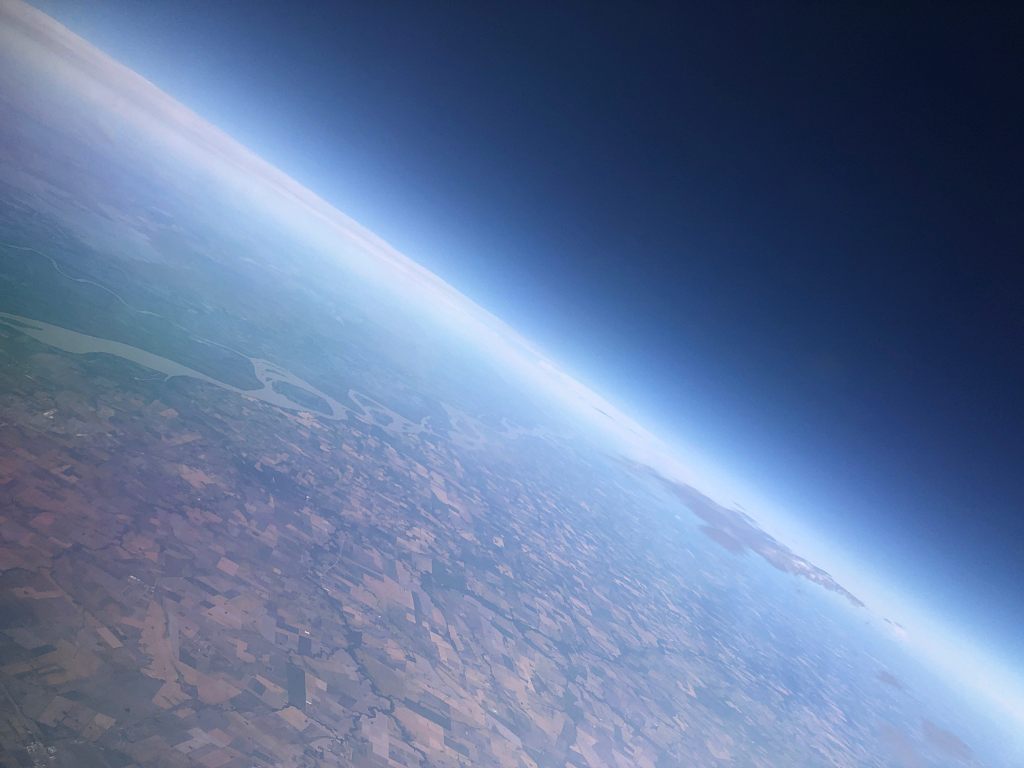
CONTAMINATION, is one of these reasons and occurs in various forms (chemicals, solid waste, hormones, etc). Industrial waste water and agriculture are under the main causes. Like in our blood system, the overabundance of nutrientes can have negative side effects too.
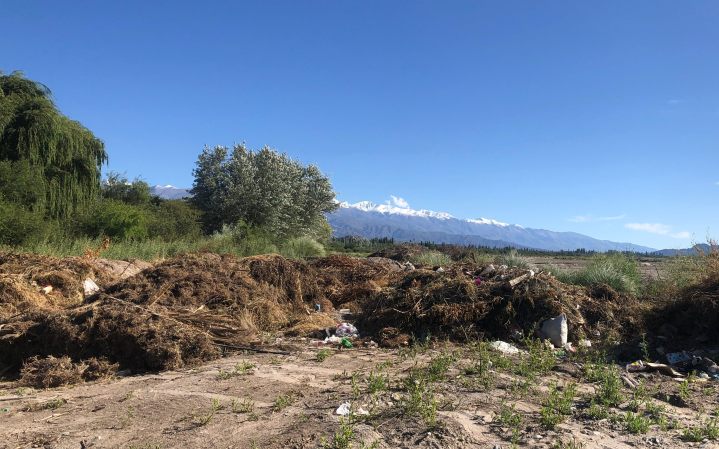
The CUMMULATIVE EFFECT along the course of a river, can turn the cherrished drinking water of its springs into a poisonous soup. Although some deltas are touristic hoptspots, people who can afford it, refrain from drinking unprocessed water.
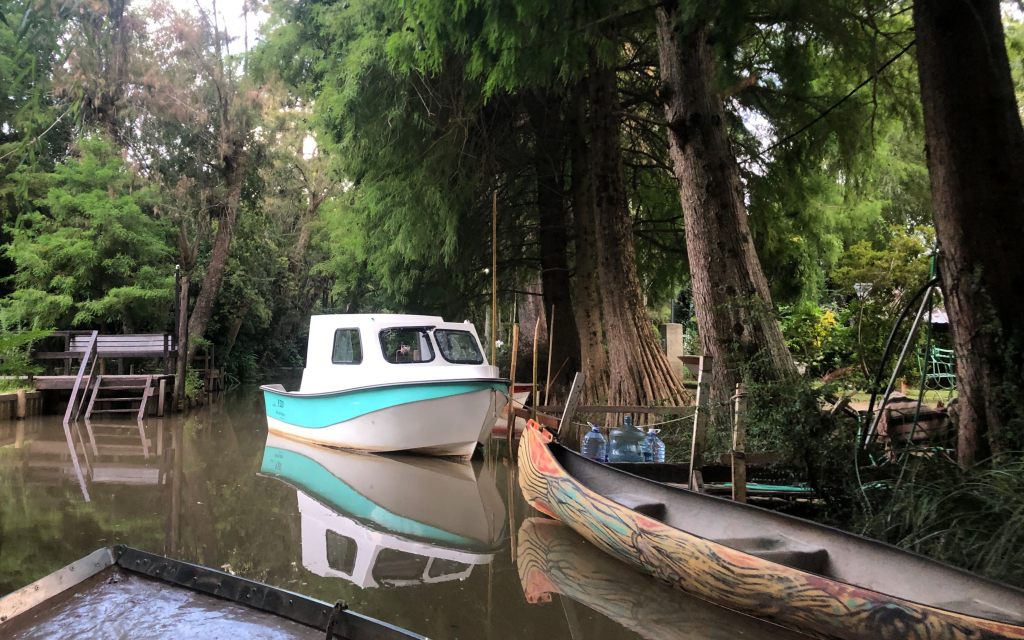
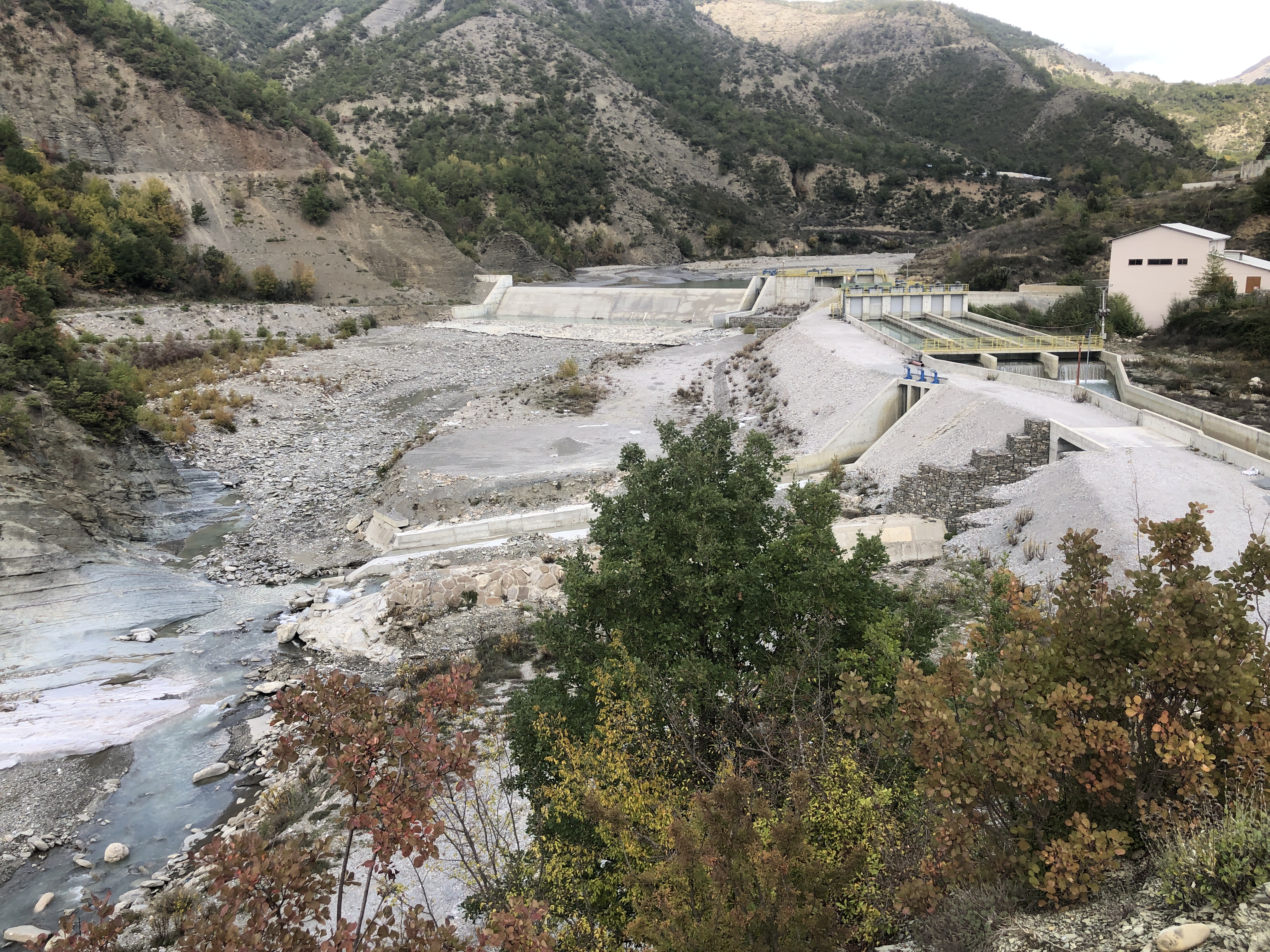
Depending on its location, a THROMBUS can harm the affected part, or the whole system. At least for Europe, the extend of clogged arteries has reached a level, where the environmental impact starts to be felt by the people. Given this, it is hard to understand why tons of planned dams are still in the pipeline.
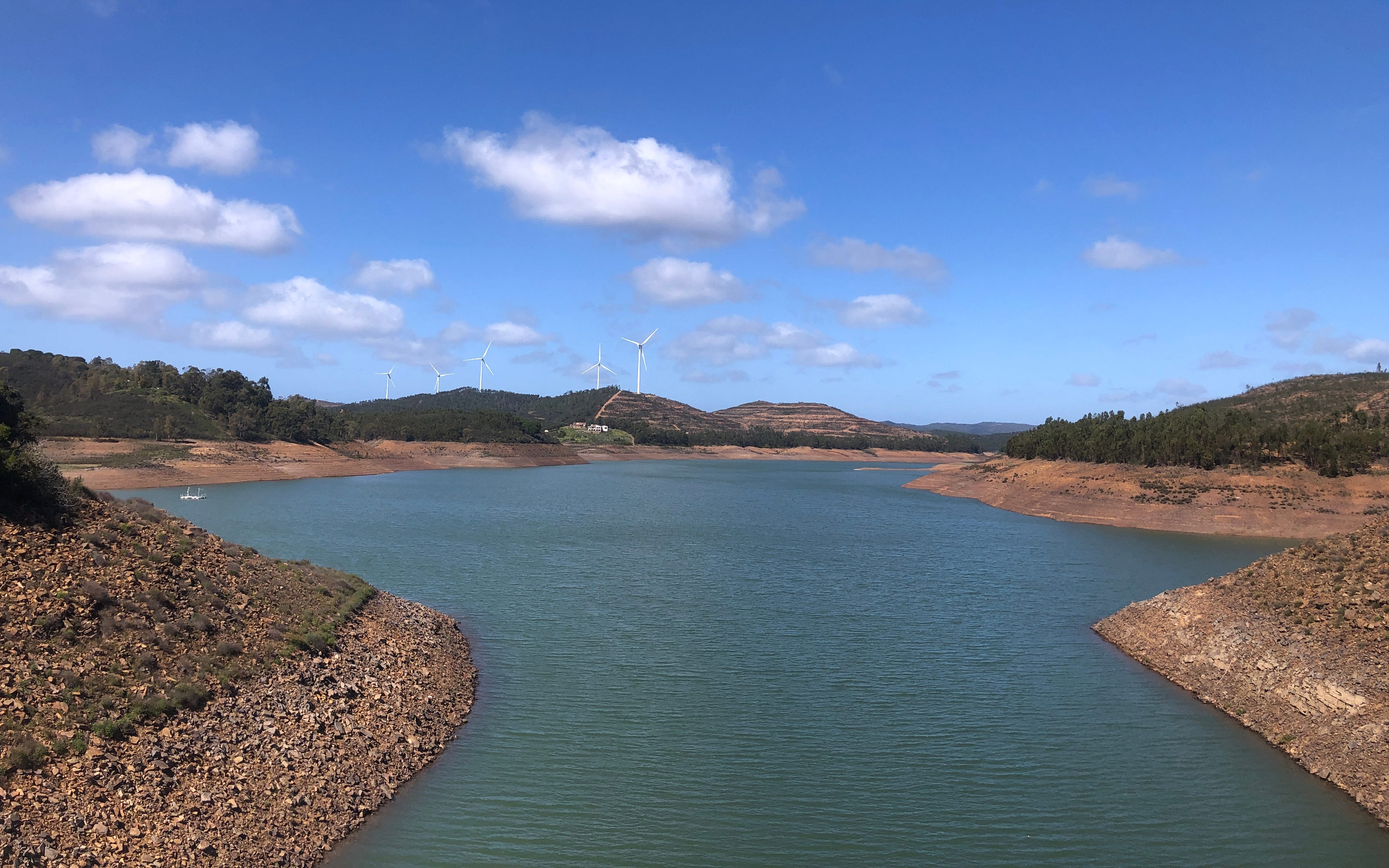
Altering a river’s natural morphology affects more than the river itself and artifical IMPOUNDMENTs and HYPERTENSION make it vulnerable to other environmental influences.
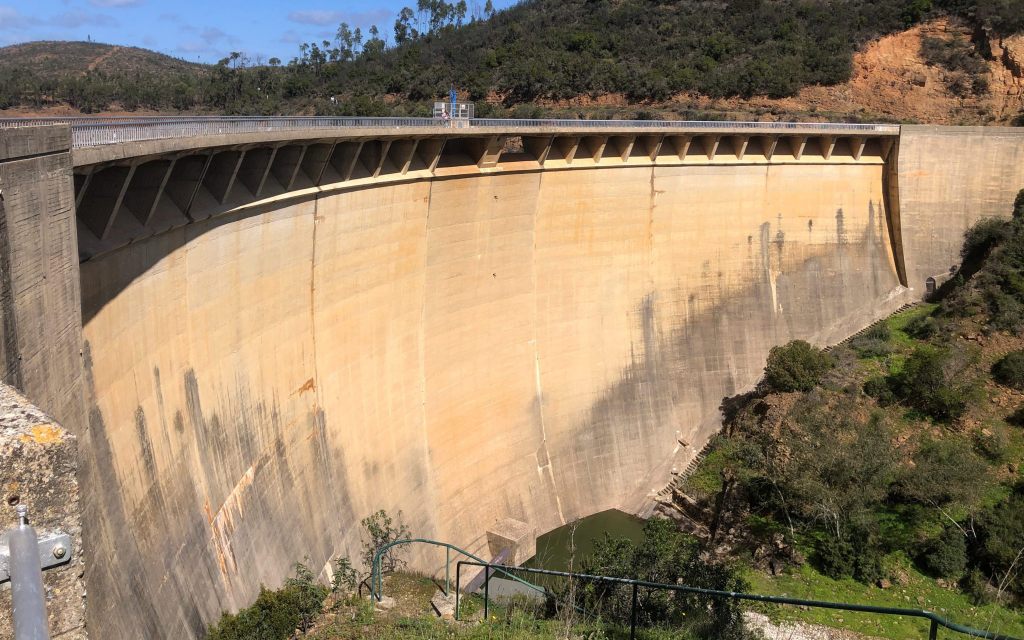
CONSTIPATION, a term lend for the discription of a dysfunction of the digestive tract, comes along with irregular frequency and hard passages. Can you feel it?
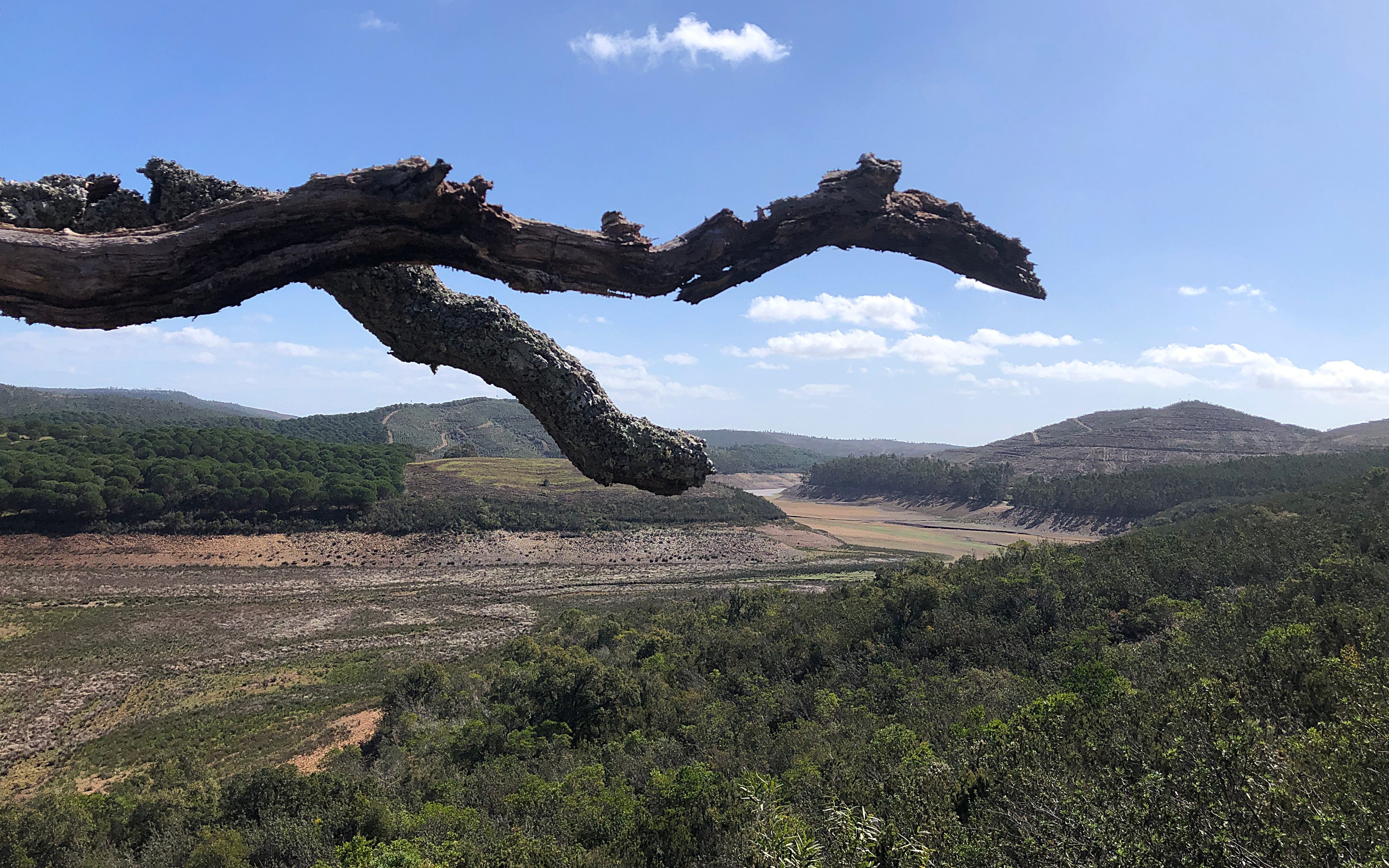
IMPAIRMENT. Where hydropower is implemented, it is known to have a rather large environmental impact, weakening the river’s RESILIENCE to drought and flooding.
Biodiversity hotspots are also prone to attracting people interested in extracting their resources for their economic value. Barring the remaining natural oasis, won’t secure their existence, as they highly depend on INTERCONNECTNESS and PLASTICITY.
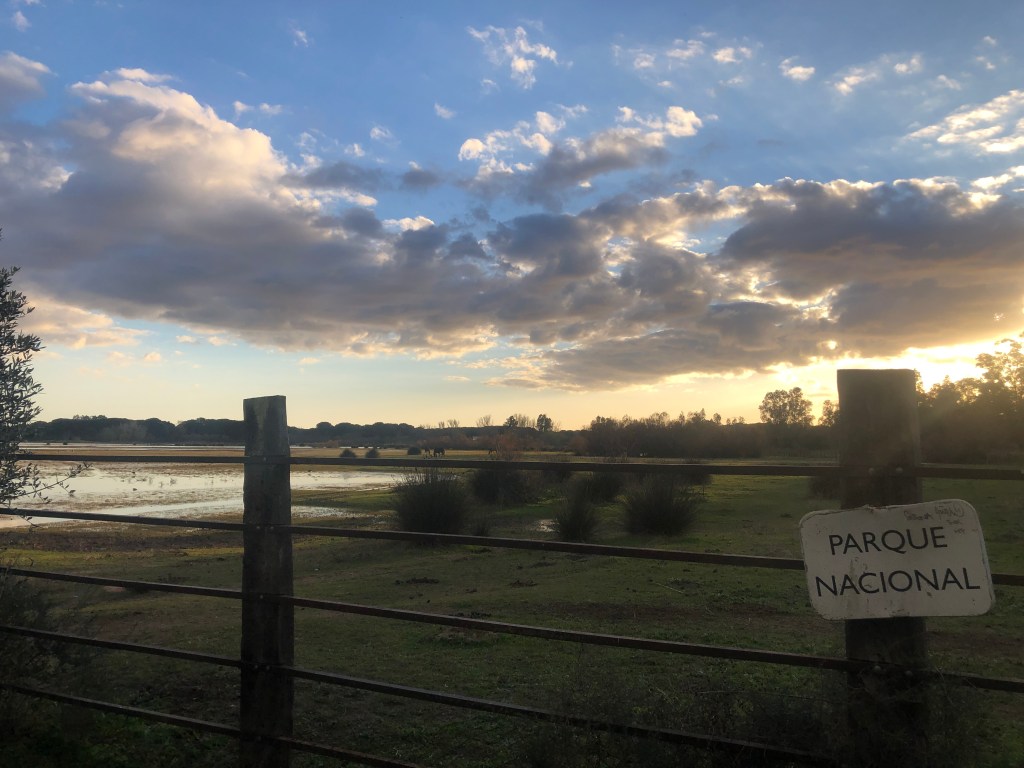
In the case of Doñana, the FORCED BLOODLETTING through numerous, often illegal wells for intensive cultivation of berries, is driving its marshes to the brink of extinction.
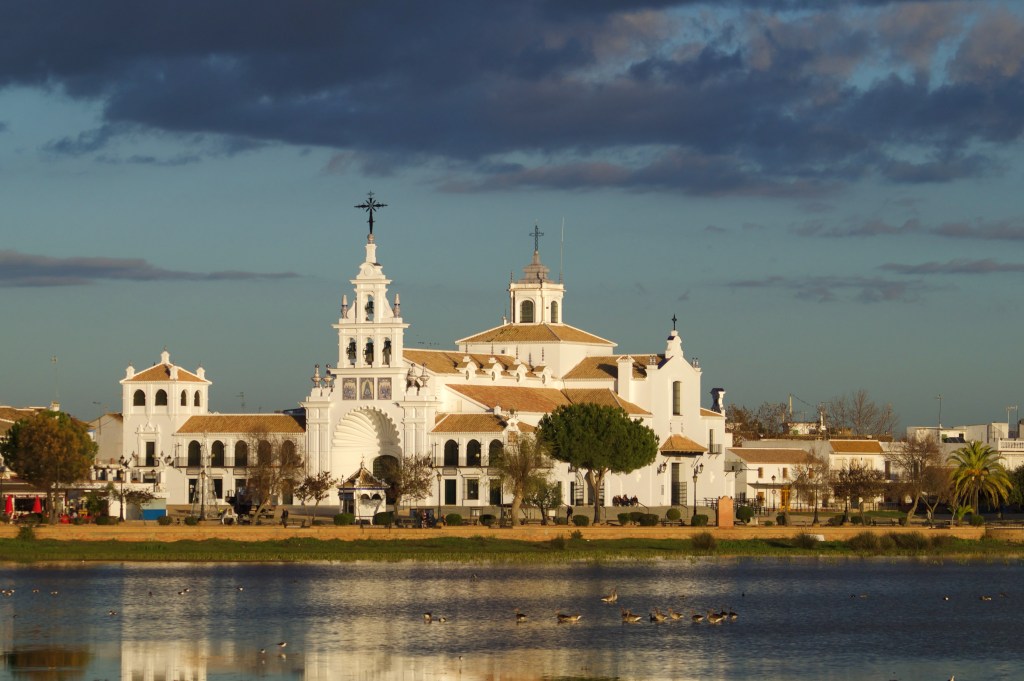
Numerous lagunes, once vibrant with an impressive diversity of bird species, have been drying up and out for years, threatening the continued existence of breeding grounds and the option to recover from the strain of travel.
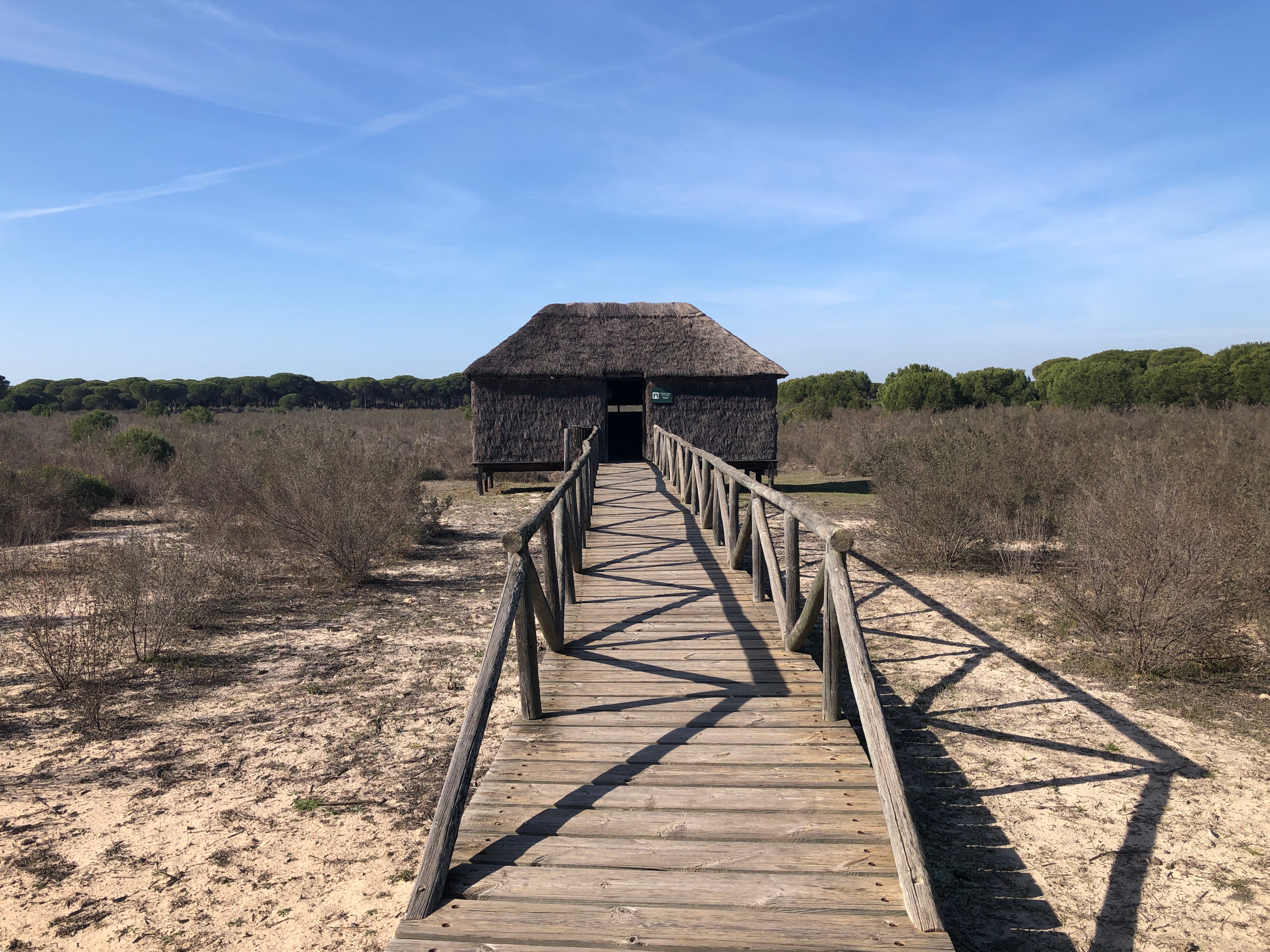
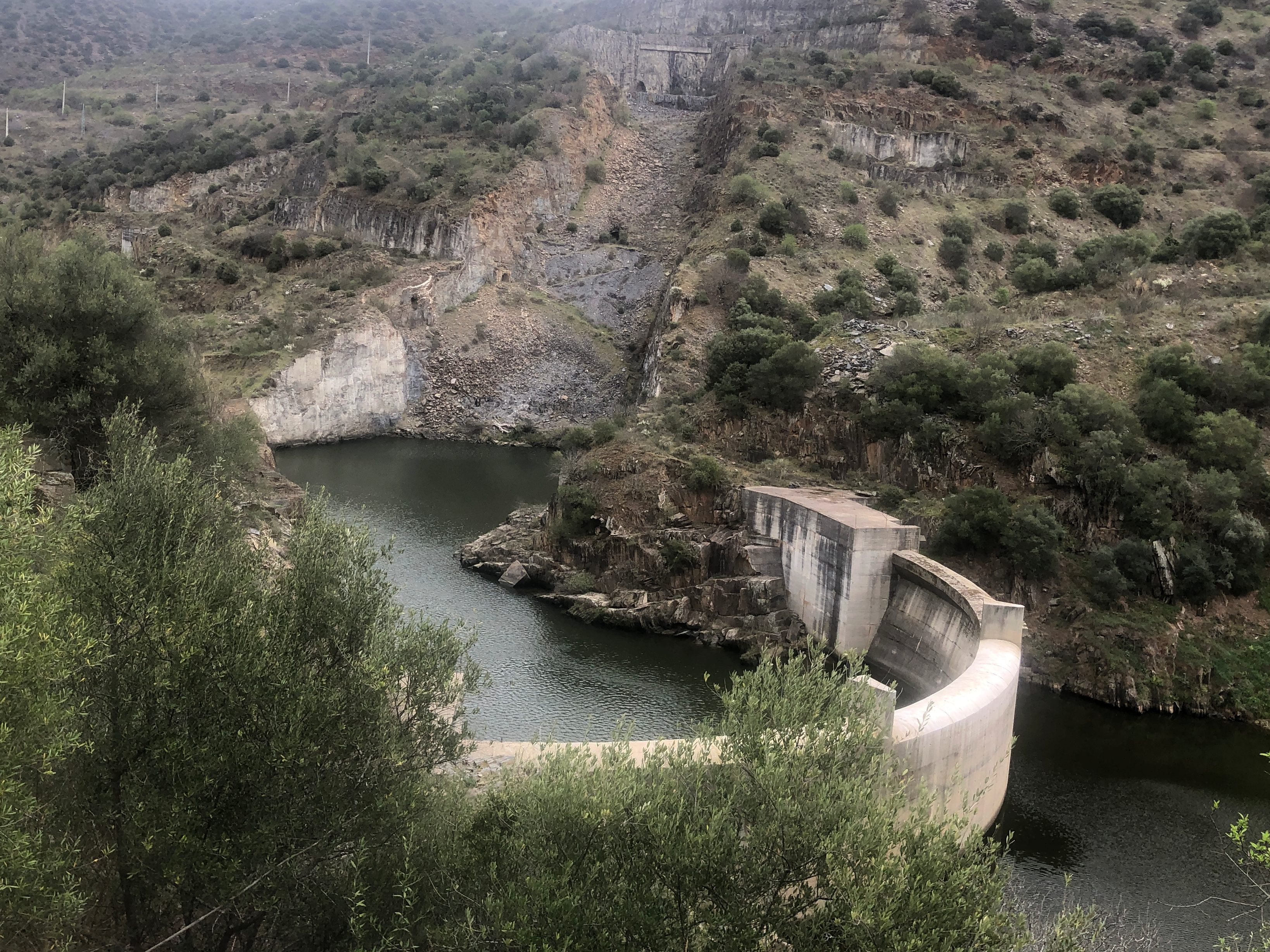
The case of the Coa Valley in Portugal, shows that timely INTERVENTION can prevent severe damage for otherwise drained or flooded regions.

While luckily there are more ENVIRONMENTAL POSITIVE stories, including the big rewilding initaitive for this region itself, the cancelling of the dam project by Antonio Gutteres in 1995, after the discoverage of the famous UNESCO rock art and the resistence of locals and scientists, is story worth to be remembered.
The best PREVENTION is ACTIVE HEALTH CARE. This also accounts riversystems and the land they’re connected with. The Vjosa Wild River National Park has the potential to be a best practice example on how to maintain a healthy environment in unsteady times.
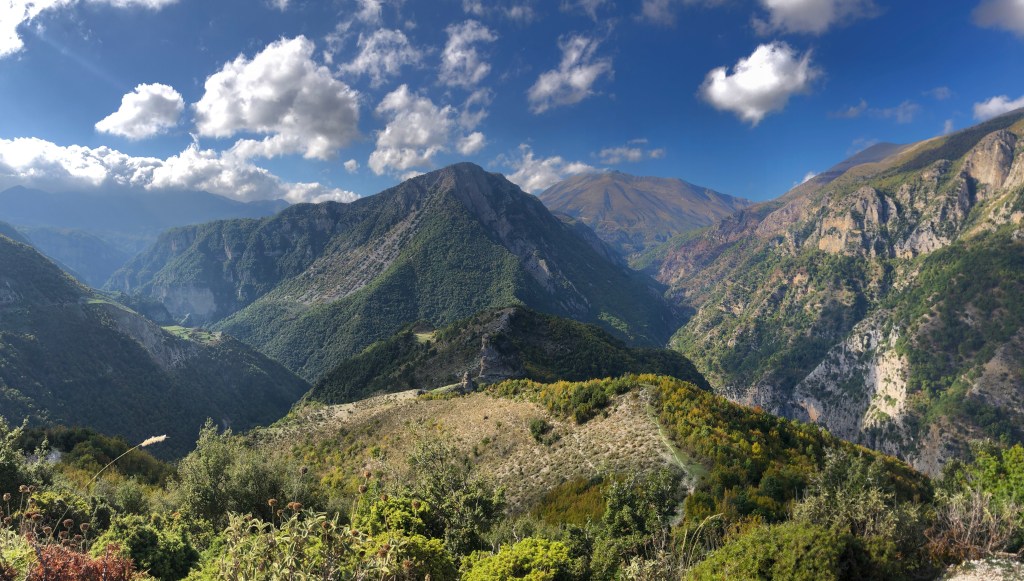
As one of the last big WILD RIVERS in Europe, the created national park puts the Vjosa and her main tributaries in Albania under protection. Efforts are on to protect the Vjosa from its source (in Greece) all the way to the delta.
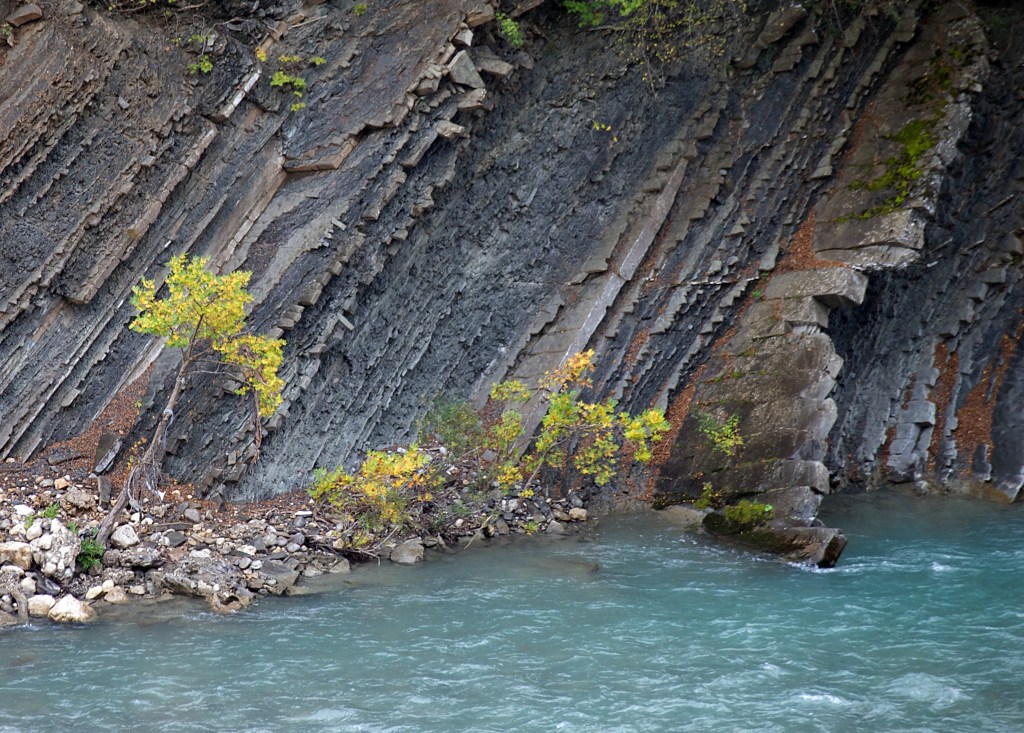
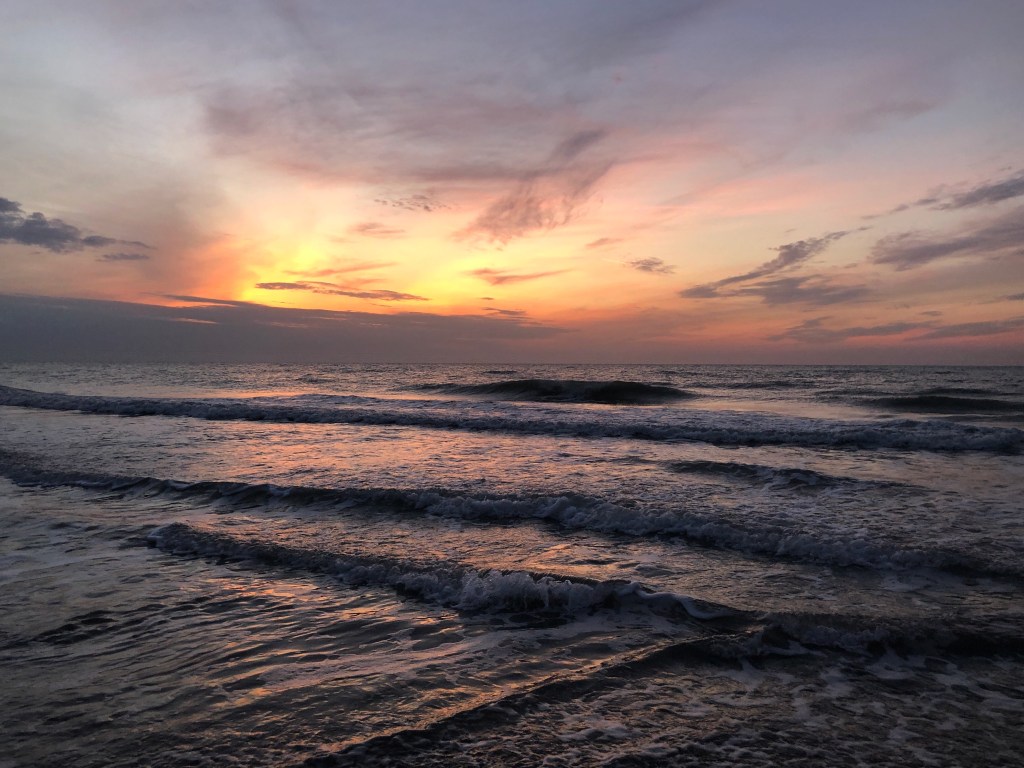
A river meets its destiny, when it meets the OCEAN. It is therefore vital to remind ourselves that neither arteries nor rivers stand alone, but are part of a bigger system.
 habemanu ________